hdhub4u Not Working? Common Errors and Troubleshooting Solutions

Ready to explore hdhub4u?
Direct portal access to hdhub4u.
Running into access issues with streaming platforms can be frustrating, especially when you're ready to watch your favorite content. When hdhub4u stops working properly, it disrupts your viewing experience and leaves you searching for answers. Understanding the common technical problems and their solutions helps you get back to streaming quickly without unnecessary delays.
This guide walks you through the most frequent errors users encounter and provides practical troubleshooting steps. Whether you're facing loading problems, connection errors, or playback issues, these solutions address the root causes rather than temporary fixes.
Understanding Why Streaming Sites Stop Working
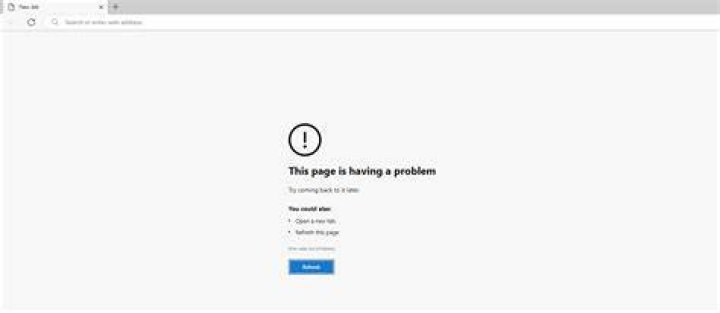
Streaming platforms rely on multiple technical components working together seamlessly. When any part of this chain breaks down, you experience access problems. Server issues, network configurations, browser compatibility, and device settings all play crucial roles in maintaining smooth connectivity.
Most problems stem from temporary disruptions rather than permanent blocks. Your internet service provider, browser cache, or outdated system software often create barriers that seem more serious than they actually are. Identifying which component causes the issue narrows down the solution quickly.
Server Downtime and Maintenance Issues
Websites occasionally go offline for scheduled maintenance or experience unexpected server problems. Before troubleshooting your own setup, verify whether the platform itself is operational. Server-side issues affect all users simultaneously and require patience rather than technical fixes.
Check the platform's status by visiting from different networks or asking other users about their access. Third-party website monitoring tools can confirm whether a site is down globally or just in your region. If servers are undergoing maintenance, waiting typically resolves the problem within a few hours.
How to Confirm Server Status
Use online tools designed to check website availability from multiple locations worldwide. These services ping the server and report whether it responds properly. Social media platforms and community forums also provide real-time updates when widespread outages occur.
Try accessing the site using mobile data instead of your home network. This quick test determines whether the problem originates from your internet connection or the platform itself.
Internet Connection Problems
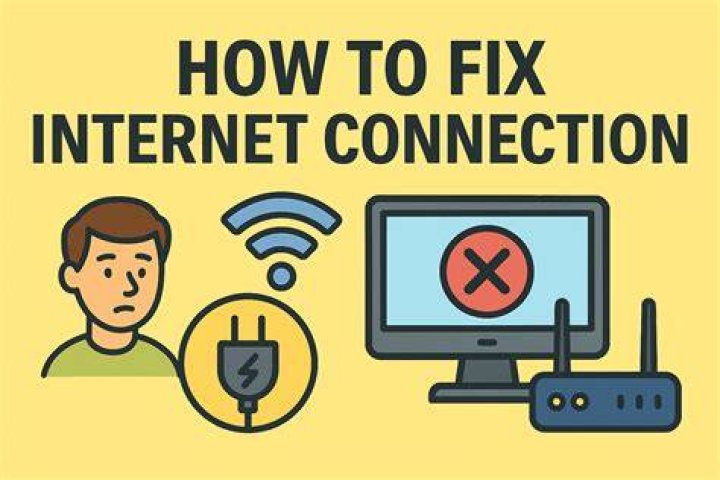
Unstable or slow internet connections prevent streaming sites from loading properly. Buffering, timeout errors, and incomplete page loads often indicate network issues rather than problems with the platform. Your connection speed, router configuration, and network congestion all impact performance.
Test your internet speed using reliable speed-testing websites. Streaming video requires consistent bandwidth, typically at least 5-10 Mbps for standard quality content. Speeds below this threshold cause constant interruptions and loading failures.
Router and Modem Reset Procedures
Power cycling your network equipment clears temporary glitches and refreshes your connection. Unplug your modem and router, wait 30 seconds, then reconnect them in order. This simple step resolves many connection-related access problems.
Check whether other devices on your network experience similar issues. If multiple devices struggle to connect, the problem lies with your network rather than a specific device or browser.
Browser Cache and Cookie Issues
Browsers store temporary files and cookies to speed up website loading. Over time, this cached data becomes corrupted or outdated, causing conflicts that prevent sites from functioning correctly. Clearing your browser cache removes these problematic files and forces fresh data downloads.
Access your browser settings and locate the clear browsing data option. Select cached images, files, and cookies, then confirm deletion. After clearing, restart your browser completely before attempting to access hdhub4u again.
Managing Browser Extensions
Ad blockers, privacy extensions, and security tools sometimes interfere with streaming platforms. These extensions block scripts, cookies, or connections that websites need to function. Temporarily disable extensions to identify whether they cause the problem.
Test the site in incognito or private browsing mode, which runs without extensions enabled. If the platform works in this mode, an extension is blocking necessary functionality.
DNS Configuration Problems
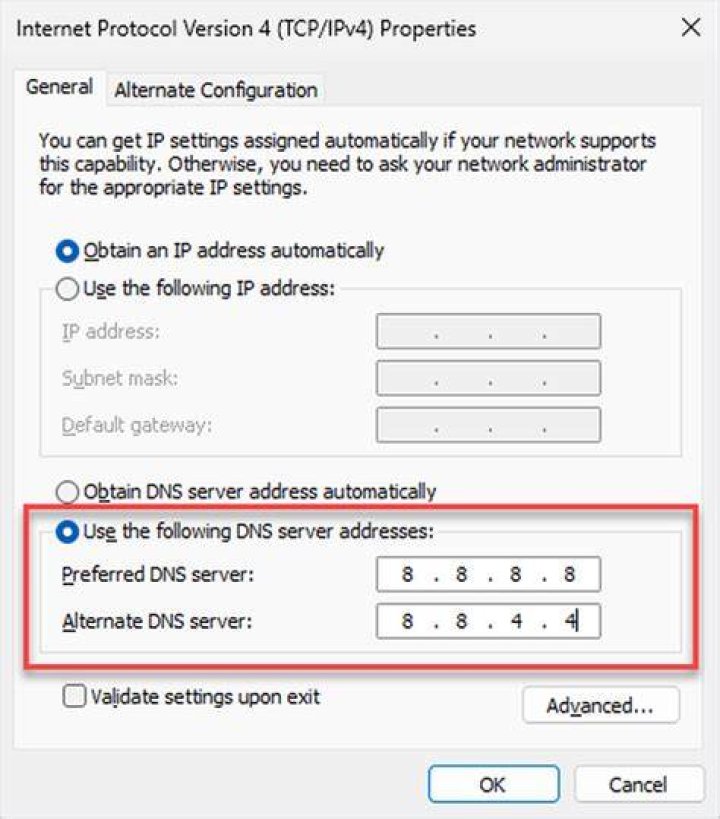
Domain Name System settings translate website addresses into IP addresses that your device understands. Incorrect or slow DNS servers cause websites to load improperly or not at all. Switching to faster, more reliable DNS providers often resolves persistent access issues.
Public DNS services like Google DNS or Cloudflare DNS provide faster resolution times and better reliability than default ISP servers. Changing your DNS settings takes just a few minutes and can dramatically improve website access.
Steps to Change DNS Settings
Navigate to your network adapter settings in your operating system control panel. Locate the DNS server addresses and replace them with public DNS options. Common choices include 8.8.8.8 and 8.8.4.4 for Google DNS, or 1.1.1.1 and 1.0.0.1 for Cloudflare.
After updating DNS settings, flush your DNS cache through command prompt or terminal. This ensures your system uses the new DNS servers immediately rather than relying on old cached entries.
ISP Blocks and Regional Restrictions
Internet service providers sometimes restrict access to certain websites based on regional regulations or company policies. These blocks prevent your connection from reaching the platform entirely, resulting in connection timeout errors or blank pages.
Geographic restrictions also limit content availability based on your physical location. Some streaming platforms implement region-specific access controls that prevent viewing from certain countries or areas.
Identifying Access Restrictions
Attempt to access the site using a mobile hotspot or different network connection. If the platform works on an alternative network but not your home internet, your ISP likely implements blocking measures.
VPN services can help bypass regional restrictions by routing your connection through servers in different locations. However, understand the legal implications and terms of service before using such tools.
Device and Operating System Updates

Outdated software creates compatibility issues with modern websites. Browsers, operating systems, and streaming apps require regular updates to support new web technologies and security protocols. Running obsolete software versions prevents proper website functionality.
Check for available updates in your device settings and browser menu. Install all pending updates and restart your device to ensure changes take effect properly.
Browser Compatibility Considerations
Different browsers handle websites in various ways. If one browser fails to load the platform, try alternatives like Chrome, Firefox, Edge, or Safari. Some sites optimize for specific browsers, leading to better performance in one over another.
Ensure you're running the latest version of your chosen browser. Legacy browser versions lack support for modern web standards that streaming platforms require.
Antivirus and Firewall Interference
Security software protects your device but sometimes blocks legitimate websites. Overly aggressive firewall settings or antivirus programs may flag streaming platforms as potential threats, preventing access even when no actual danger exists.
Temporarily disable your antivirus and firewall to test whether they cause the problem. If the site loads with security software disabled, add the platform to your whitelist or adjust security settings to permit access.
Configuring Security Exceptions
Most security programs allow you to create exceptions for trusted websites. Access your security software settings and locate the whitelist or trusted sites section. Add the platform's URL to ensure it bypasses strict security checks.
Avoid leaving security software completely disabled. Once you identify the conflict, configure specific exceptions rather than removing protection entirely.
Video Player and Streaming Errors
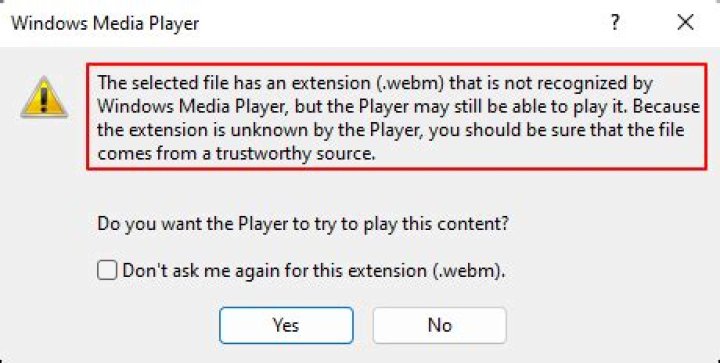
Playback failures occur even when the website loads correctly. Video player errors stem from codec issues, missing plugins, or hardware acceleration problems. These technical barriers prevent content from playing despite successful page loading.
Disable hardware acceleration in your browser settings if videos fail to play. This feature uses your graphics card to improve performance but sometimes creates conflicts with certain video formats.
Plugin and Component Updates
Modern browsers include built-in video players, but some content requires additional components. Ensure Adobe Flash (if still relevant), HTML5 support, and JavaScript remain enabled in your browser settings.
Check whether video plays in different quality settings. High-definition content demands more bandwidth and processing power than standard definition. Lowering quality settings may resolve playback problems on slower connections.
Mobile Device Specific Issues
Smartphones and tablets face unique challenges when accessing streaming platforms. Mobile browsers, app compatibility, and touch interface requirements differ significantly from desktop environments. Screen size limitations and mobile-specific errors require targeted solutions.
Clear your mobile browser's app data through device settings. This process removes cached files and resets the browser to default settings without affecting other apps.
App vs Browser Access
Some platforms work better through dedicated mobile apps than mobile browsers. If browser access fails on your phone, check whether an official app exists in your device's app store.
Update mobile apps regularly through your app store. Outdated app versions contain bugs and compatibility issues that newer releases fix.
Alternative Access Methods

When standard access methods fail, alternative approaches may still work. Different URLs, mirror sites, or alternative domain extensions sometimes bypass specific technical problems. Platforms often maintain multiple access points to ensure availability.
Search for official announcements about alternative URLs or updated domains. Legitimate platforms communicate changes through social media or community channels when primary domains experience issues.
Final Thoughts
Troubleshooting access problems requires systematic testing to identify the root cause. Start with simple solutions like clearing cache and restarting your browser, then progress to more technical fixes if needed. Most issues resolve quickly once you pinpoint whether the problem originates from your device, network, or the platform itself.
When hdhub4u or similar streaming platforms stop working, patience and methodical troubleshooting restore access more effectively than random attempts. Keep your software updated, maintain stable internet connections, and understand basic network settings to minimize future disruptions. If problems persist after trying these solutions, the issue likely requires waiting for server-side fixes or contacting technical support for specialized assistance.
Explore More on Hdhub4u
Thank you for reading! For more comprehensive guides and site pages, return to the Hdhub4u Homepage .
