hdhub4u Movie Quality Guide: 480p, 720p, 1080p, and 4K Explained
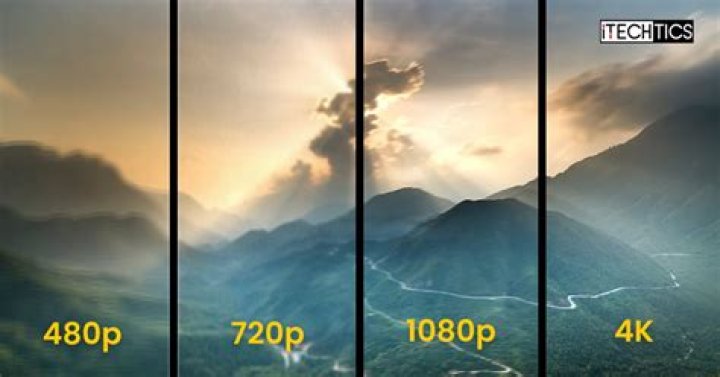
Ready to explore hdhub4u?
Direct portal access to hdhub4u.
Choosing the right video quality can make or break your viewing experience. When browsing through hdhub4u, you'll encounter multiple resolution options for the same movie or show, and understanding what these numbers actually mean helps you make smarter decisions about downloads and streaming. The difference between 480p and 4K isn't just about file size—it's about picture clarity, bandwidth requirements, storage space, and whether your device can even display the higher quality you're downloading.
This guide breaks down each resolution available on hdhub4u, explaining what the numbers represent, how they affect your viewing experience, and which quality setting makes sense for your specific situation. Whether you're watching on a phone during your commute or setting up a home theater system, knowing these differences saves time, data, and frustration.
What Video Resolution Actually Means
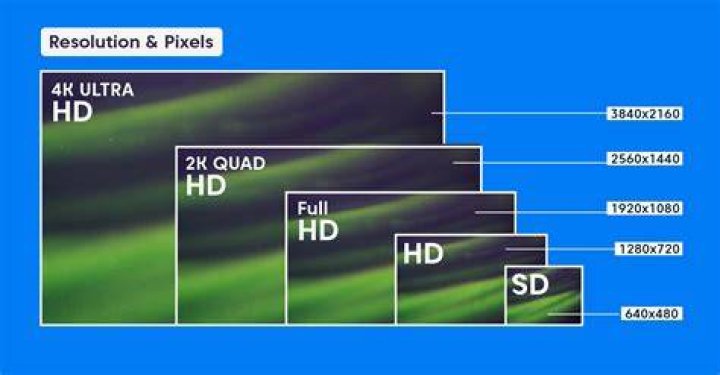
Resolution refers to the number of pixels displayed on your screen, typically expressed as width × height. The "p" in 480p, 720p, and 1080p stands for "progressive scan," which means each frame displays all lines of pixels at once rather than alternating between odd and even lines. Higher resolution means more pixels packed into the same screen space, resulting in sharper images with more detail.
When you see a 1920×1080 resolution, that means 1,920 pixels across the width and 1,080 pixels down the height, totaling about 2 million pixels. More pixels require more data to store and transmit, which is why higher-quality videos have larger file sizes. This relationship between resolution, file size, and visual quality is the core tradeoff you're managing when selecting a download option.
480p: Standard Definition Explained
Standard Definition at 480p delivers 720×480 pixels, which was the television standard for decades before HD became widespread. This resolution works well on smaller screens like smartphones or older tablets where the pixel density makes details harder to distinguish anyway. Files at this quality typically range from 300MB to 700MB for a full-length movie, making them the fastest to download and most data-friendly option.
The visual quality is noticeably softer compared to HD options, with less detail in textures, faces, and background elements. However, 480p remains practical for several situations: limited storage space on your device, slow internet connections, mobile data caps, or watching on screens smaller than 10 inches. Many users on hdhub4u choose this option specifically for building libraries on devices with limited capacity or for preview watching before committing to a larger download.
When 480p Makes Sense
This resolution serves specific use cases well despite its lower quality. If you're downloading content to watch offline during travel and need to fit multiple movies on your device, 480p allows you to store three to four times more content than 1080p. The quality difference becomes less noticeable on airplane seat-back screens or smartphone displays viewed at normal distances.
Older devices with limited processing power also handle 480p more smoothly. If your device struggles with playback or gets hot when playing HD content, stepping down to standard definition can provide a better overall experience with fewer stutters and crashes.
720p: The HD Sweet Spot
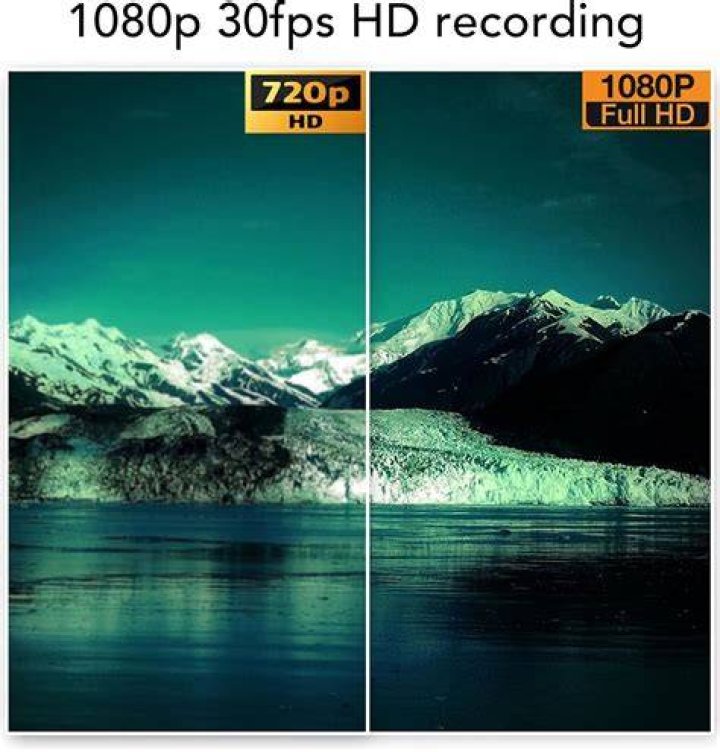
High Definition begins at 720p with a resolution of 1280×720 pixels. This format offers a significant visual upgrade from standard definition while keeping file sizes relatively manageable at 700MB to 1.5GB for most feature films. The jump in clarity is immediately noticeable—text becomes readable, facial expressions gain detail, and fast-motion scenes lose much of the blur that plagues lower resolutions.
For most casual viewers watching on laptops, tablets, or TVs under 40 inches, 720p represents the ideal balance between quality and practicality. The difference between 720p and 1080p becomes harder to spot unless you're sitting close to a large screen or specifically looking for it. Many users on hdhub4u default to this resolution because it delivers a satisfying viewing experience without eating through storage or requiring extended download times.
Display Size Considerations
Screen size and viewing distance determine how much benefit you'll see from higher resolutions. On displays between 24 and 40 inches viewed from typical couch distance (6-10 feet), 720p provides clear, detailed images that satisfy most viewers. The human eye's ability to distinguish individual pixels diminishes with distance, making the extra pixels in 1080p less noticeable in these scenarios.
This resolution also streams more reliably on moderate internet connections. If your connection speed fluctuates or you experience buffering with higher qualities, 720p typically plays smoothly while maintaining the HD experience. The reduced bandwidth requirement makes it the practical choice for households with multiple devices sharing the same connection.
1080p: Full HD Standard
Full HD at 1920×1080 pixels has become the standard for modern content consumption. With over 2 million pixels, 1080p delivers crisp, detailed images that showcase cinematography, special effects, and fine details the way filmmakers intended. File sizes typically range from 1.5GB to 4GB depending on compression quality and video length, requiring more storage but providing noticeably superior visual quality.
The improvement over 720p becomes apparent on screens larger than 40 inches or when sitting closer to your display. Details in textures, clarity in distant objects, and sharpness in text or graphics all see meaningful upgrades. For action movies, nature documentaries, or any content where visual detail matters, 1080p makes a real difference. Users who prioritize quality on hdhub4u consistently choose this resolution when storage and bandwidth allow.
Compression Quality Matters
Not all 1080p files are created equal. The bitrate—how much data is used per second of video—dramatically affects quality even at the same resolution. A poorly compressed 1080p file might look worse than a well-encoded 720p version, with visible artifacts, banding in gradients, or loss of detail in dark scenes.
Higher bitrates preserve more information from the original source, resulting in cleaner images with better color accuracy and less compression artifacting. When comparing 1080p options, larger file sizes within the same resolution often indicate better encoding quality worth the extra storage space.
4K: Ultra HD Revolution

4K resolution, also called Ultra HD or UHD, delivers 3840×2160 pixels—four times the pixel count of 1080p. This massive increase in detail creates incredibly sharp images where individual elements remain clear even on very large screens or when viewed up close. File sizes jump dramatically to 5GB to 20GB or more for feature films, demanding significant storage capacity and robust internet speeds for downloads.
The visual difference is striking on displays that support it. Textures have depth, distant details stay sharp, and the overall image takes on a window-like quality rather than looking like a video screen. However, 4K requires proper equipment to appreciate: a 4K-capable TV or monitor, sufficient viewing distance (closer than you'd sit for 1080p), and ideally HDR support to take full advantage of the expanded color range and contrast that often accompany 4K content.
Hardware Requirements
Playing 4K content smoothly demands more from your device than lower resolutions. Your processor must decode the large amount of data, your graphics capability needs to handle the pixel count, and your display must actually support 3840×2160 output. Older devices or budget hardware may struggle with playback, resulting in stuttering, dropped frames, or inability to play the file at all.
Storage becomes a real consideration with 4K. A single season of a TV series can consume 50-100GB, and building a movie collection quickly fills hard drives. External storage or network-attached storage (NAS) systems become practical necessities for users who regularly download 4K content from platforms like hdhub4u.
Matching Quality to Your Setup
The best resolution isn't always the highest one—it's the one that matches your equipment, internet capability, and viewing situation. Start by assessing your display's native resolution. Watching 4K content on a 1080p screen provides no visual benefit since the screen can't display the extra pixels. Similarly, 1080p content on a 720p display gets downscaled, wasting the extra quality you downloaded.
Internet speed determines whether streaming is viable at certain qualities. As a rough guide, 480p needs about 3 Mbps, 720p requires 5 Mbps, 1080p works best with 10 Mbps or more, and 4K demands 25 Mbps minimum for smooth streaming. Download speed affects how long you'll wait for your file, but for offline viewing, storage capacity becomes the limiting factor instead.
The Storage Math
Calculate how much content you want to keep accessible. A 64GB smartphone might hold 80-100 movies at 480p, 40-50 at 720p, 15-20 at 1080p, or just 3-4 at 4K quality. For laptop or desktop storage, multiply accordingly based on your available space. External drives offer affordable expansion, but portability decreases if you need multiple drives to carry your collection.
Cloud storage or streaming directly from hdhub4u when connected to WiFi eliminates local storage concerns entirely, but trades convenience for internet dependency. Finding the balance between quality, storage, and access method depends on your usage patterns and priorities.
Bitrate and File Size Relationship
Bitrate measures how much data is used per second of video, directly impacting both file size and quality. Higher bitrates preserve more detail from the source material, while lower bitrates compress more aggressively to reduce size. Two 1080p files can differ dramatically in quality based solely on bitrate—one might be 2GB with visible compression artifacts, another 8GB with pristine clarity.
Understanding this relationship helps you make informed choices. When you see multiple versions of the same movie at the same resolution on hdhub4u, the larger file typically offers better quality through higher bitrate encoding. The tradeoff is longer download times and more storage consumption, but the visual improvement can be substantial for content you plan to watch repeatedly or showcase on quality equipment.
Audio Quality Considerations
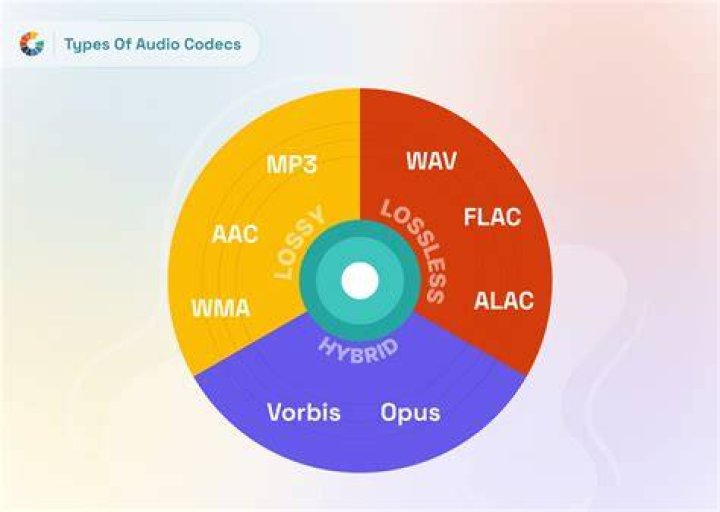
Video resolution isn't the only quality factor. Audio encoding significantly affects the overall experience, especially for music-driven films, action movies with complex soundscapes, or any content where dialog clarity matters. Common audio formats range from compressed AAC or MP3 suitable for basic playback to lossless formats like FLAC or uncompressed PCM that preserve studio-quality sound.
Higher-quality audio adds to file size but the impact is smaller than video resolution changes. A movie might add 200-500MB for lossless audio compared to compressed formats. For users with good speakers or headphones, this upgrade delivers noticeable improvement in sound depth, clarity, and immersion. Basic device speakers show less difference, making high-quality audio a lower priority unless you're feeding output to external audio equipment.
Device-Specific Recommendations
Smartphones benefit most from 480p or 720p given their small screen sizes and limited storage. The higher pixel density of phone screens makes lower resolutions look better than the same resolution on larger displays. Additionally, smaller files mean faster transfers and more content fits on your device for offline viewing during commutes or travel.
Tablets and laptops work well with 720p as a default, stepping up to 1080p for larger screens or high-quality displays. The middle ground balances quality with reasonable file sizes, and most modern devices in this category handle 1080p playback without issues. For desktop computers connected to monitors 27 inches or larger, 1080p becomes the minimum for satisfying quality, with 4K justified for displays that support it.
TV and Home Theater Systems
Smart TVs and dedicated home theater setups demand the highest quality your source can provide. For screens 50 inches and larger viewed from typical living room distances, 1080p represents the baseline, with 4K offering clear advantages on 55-inch and larger displays. The investment in larger files pays off with the enhanced viewing experience these systems are designed to deliver.
Surround sound systems similarly benefit from higher-quality audio tracks. If you've invested in a 5.1 or 7.1 speaker setup, seeking out files with corresponding audio tracks makes sense. The combination of 4K video with high-quality surround audio creates the immersive experience that justifies the file size and storage requirements.
Internet Speed and Download Strategy
Your internet connection speed determines practical limits on what you can download efficiently. Calculate approximate download times by dividing file size by your download speed. A 3GB 1080p movie takes about 20 minutes on a 20 Mbps connection, 40 minutes on 10 Mbps, or over an hour on slower connections. For 4K files reaching 15-20GB, even fast connections require significant wait times.
Scheduling downloads during off-peak hours or overnight makes sense for larger files. Many users on hdhub4u queue up multiple downloads to run when bandwidth is less contested or when they won't need their connection for other activities. This approach lets you build a library at higher qualities without sacrificing day-to-day internet usability.
Future-Proofing Your Collection
Storage costs continue dropping while display technology advances. Downloading the highest quality you can store now means your content remains relevant as you upgrade displays. A 4K file watched on a 1080p screen today will look fantastic when you eventually upgrade to a 4K TV, while a 720p file will show its limitations immediately on new equipment.
Consider your timeline for device upgrades when choosing quality. If you plan to keep your current display for years, matching current capability makes sense. If you're likely to upgrade soon, downloading higher quality than your current display supports gives you a ready library for new equipment. The extra storage cost now is typically smaller than re-downloading your entire collection later.
Final Thoughts
Understanding the differences between 480p, 720p, 1080p, and 4K empowers you to make choices that match your specific needs rather than defaulting to either the smallest or largest file available. Each resolution serves legitimate purposes depending on your display, storage capacity, internet speed, and viewing priorities. The options available on hdhub4u cover the full spectrum, letting you optimize for quality, convenience, or storage efficiency based on each situation.
The best strategy often involves using different resolutions for different content and devices. Keep a 480p library on your phone for casual viewing, download 1080p for your laptop or moderate-sized TV, and reserve 4K for special features on your main home display. This flexible approach maximizes quality where it matters while keeping storage and bandwidth demands manageable across all your devices.
Explore More on Hdhub4u
Thank you for reading! For more comprehensive guides and site pages, return to the Hdhub4u Homepage .
